
The current outlook for the United States
an unprecedented period of unrest
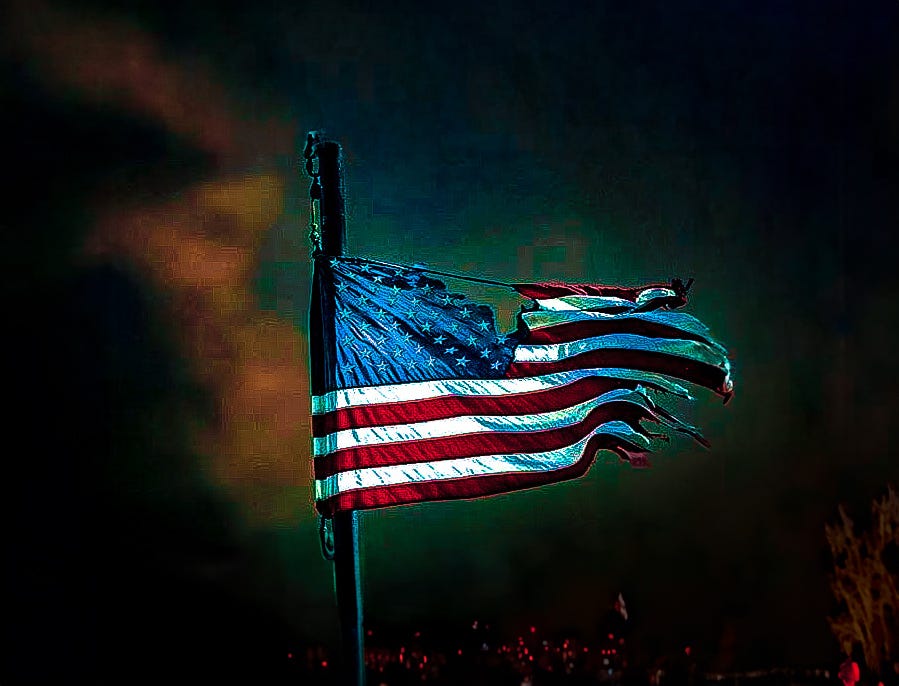
The United States is on the brink of an unprecedented period of unrest, with mass demonstrations expected to erupt in the coming months. Protests against Trump’s administration have been a defining feature of American political life, and his return to office in 2024 has only fueled further resistance. The “50501” protests early in his second term showcased the scale and immediacy of opposition, signaling that large segments of the population will not accept his leadership without constant resistance. The likelihood of sustained, widespread protests is further amplified by the fact that those in Trump’s circle appear more inclined to escalate tensions rather than defuse them.
Historically, opposition to Trump has been relentless. His first presidency saw near-daily protests, with the Women’s March of 2017 becoming the largest protest in American history. Now, as he resumes power, the same forces that mobilized against him before will likely return with even greater urgency. The concerns fueling these protests are vast, from immigration crackdowns and attacks on reproductive rights to fears over public health data manipulation and cuts to social welfare programs. Legislative moves to curtail protest rights indicate that the government itself anticipates major demonstrations, suggesting that suppression efforts will be swift and forceful.
One of the most troubling aspects of the current moment is the potential for military intervention in domestic affairs. The prospect of Trump deploying the military to counter protests raises serious constitutional concerns. While the Posse Comitatus Act theoretically restricts the use of the military in law enforcement, Trump’s willingness to test legal boundaries could result in an unprecedented use of federal force against American citizens. Combined with increasing militarization of police forces and the presence of armed right-wing militias, mass protests may be met with levels of state violence rarely seen in the country’s modern history.
The deepening constitutional crisis in the U.S. has only accelerated under Trump’s leadership. Multiple sources indicate that the nation is at a turning point, with his administration engaging in actions that push beyond traditional legal limits. Trump’s disregard for established norms—whether by firing senior law enforcement officials, withholding federal funds, or issuing legally dubious executive orders—has created an atmosphere of uncertainty regarding the future of American democracy. Some commentators argue that the nation has operated outside constitutional limits for decades, but Trump’s actions have made these concerns far more urgent and visible.
Executive overreach remains a defining characteristic of Trump’s presidency, with executive orders being used both as tools of governance and as political weapons. While all presidents use executive orders to some degree, Trump has leveraged them in ways that undermine democratic checks and balances. His willingness to test the limits of presidential authority, combined with a Supreme Court increasingly deferential to executive power, could create a scenario in which laws are made and enforced without meaningful legislative oversight. The ruling in *Trump v. United States*, which expanded presidential immunity, has only made it easier for a sitting president to act with impunity.
The role of tech billionaires like Elon Musk in shaping U.S. policy adds another dimension to the crisis. Musk’s close alignment with Trump and their joint efforts to consolidate power through control of digital and governmental infrastructure have raised alarms. Moves to dismantle agencies like USAID and efforts to control public communication channels suggest a broader strategy of reducing governmental transparency. Some sources have even compared Musk’s actions to a form of corporate-led coup, where technology and capital replace traditional political authority.
Meanwhile, the cultural influence of the United States is beginning to collapse as young people around the world turn away from American soft power. The youth-led movements that have historically embraced American culture are now rejecting it outright. U.S. brands, media, and institutions are increasingly seen as symbols of imperialism and repression rather than freedom and opportunity. The global response to Trump’s policies—particularly his suggestion that the U.S. should take control of Gaza—has only intensified this trend. The idea of an American-controlled Gaza, viewed as a blatant act of neocolonialism, could trigger an international boycott of U.S. goods, entertainment, and institutions.
As the U.S. loses its grip on global youth culture, other regions are stepping in to fill the void. European, African, and Asian cultural centers are gaining more influence, and English is losing its dominance as the world’s “default” language of culture and cool. The shift away from American cultural hegemony is not just about politics—it represents a fundamental realignment of global influence. For the first time in modern history, young people may grow up without looking to the U.S. as a source of innovation, rebellion, or artistic inspiration. Instead, America will become a symbol of outdated values, corporate dominance, and state repression.
The erosion of American cultural influence is happening in parallel with rising internal instability. Cities are poised to become the epicenters of resistance, with marginalized communities bearing the brunt of police and military crackdowns. Trump-aligned militias and law enforcement agencies will likely work together to suppress dissent, leading to violent clashes that could escalate beyond control. The possibility of Trump invoking the Insurrection Act to deploy federal troops against protesters is real, and the lack of meaningful institutional resistance may allow him to do so with impunity.
The U.S. is entering a period of extreme volatility. Political divisions are deepening, global credibility is collapsing, and state violence is escalating. While resistance movements will continue to organize, they will face unprecedented repression from both official and unofficial forces. Whether America emerges from this crisis intact or falls into a prolonged state of authoritarian rule remains to be seen, but one thing is clear—the country is at a breaking point, and the world is watching as it unravels.
Thanks for this. Sobering...